
A battery-powered radar on a river channel reported an empty distance of 1.6 m together with insufficient echo energy. The real empty distance at the time was about 0.8 m.
So the unit was reporting a number roughly double the truth, and complaining about signal strength at the same time – a combination that usually sends people looking at the water surface.
The empty-distance detection range was set to 1.3–2.2 m. The mounting height is 1.3 m, so the real surface at 0.8 m is outside that window entirely – the unit was searching a band that starts where the water already is and runs 2.2 m down the channel.
A detection window is a search instruction: only returns inside it are considered. With the surface outside it, there is nothing to lock onto, the energy check fails, and the output drifts to whichever figure the window suggests – here 1.6 m.
That also explains why the usual fixes did nothing. RF power had already been dropped to step 1 and the echo had been learned; the spectrum looked good. The signal was fine. The unit was simply not looking where the water was.
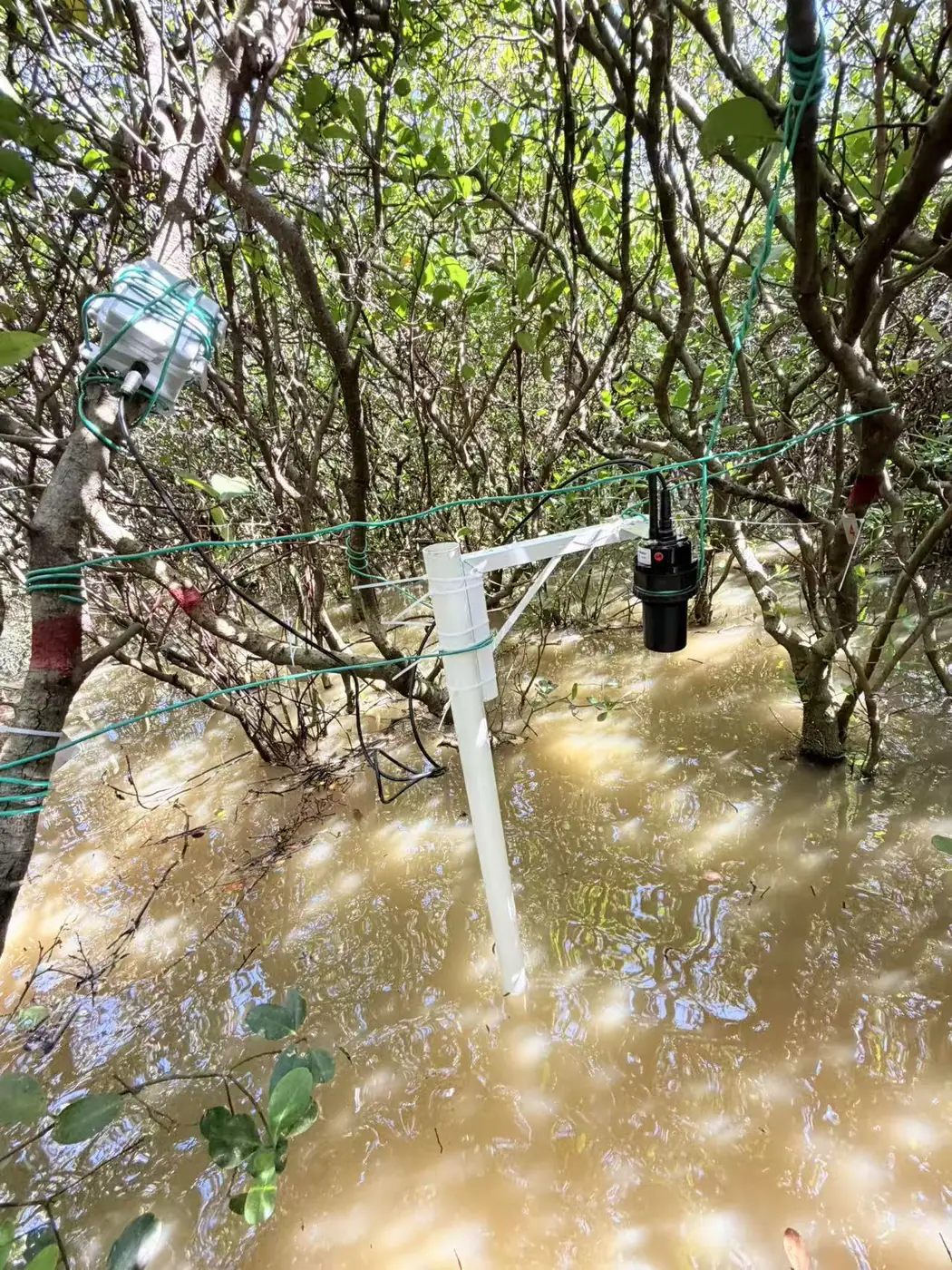
Read the configured detection range back from the unit, saw 1.3–2.2 m against a 1.3 m mounting height, and pulled the range back inside 1.3 m so the window covers the water surface at 0.8 m.
The general rule we left with the site: set the mounting height after the installation is finished, then confirm the empty-distance detection range sits inside that height. An installation that is configured before it is mounted will carry whatever guess was made on the bench.
The unit locked onto the real surface and reported 0.8 m, with the energy warning gone.
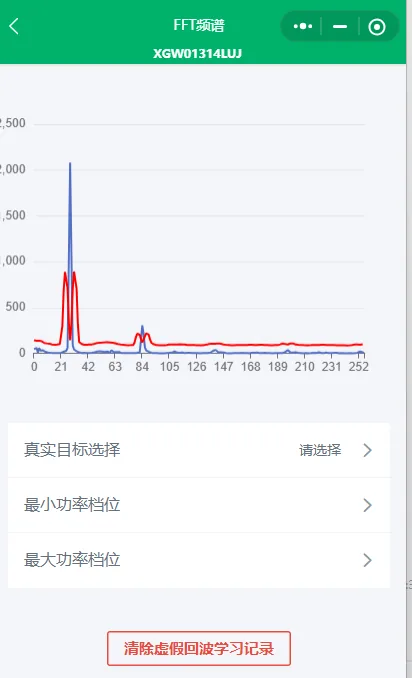
River or channel station reading roughly double the real distance, with an energy warning? Send us the mounting height, the detection range you have configured and a spectrum capture – a window in the wrong place is visible in one look.

Copyright @ 2026 JiaJia Eye

Scan to add WeChat