
Grain bins defeat wide-beam and ultrasonic sensors with dust, cone-shaped piles and crusting. An 80 GHz radar reads the true surface through all of it—wired or solar 4G for remote bins.
At a grain depot handling wheat, the sensor reported a distance of about 1 m while the actual distance to the grain surface was more than 10 m. The radar was not faulty and the wheat was not the problem. The pipe it was mounted through was.
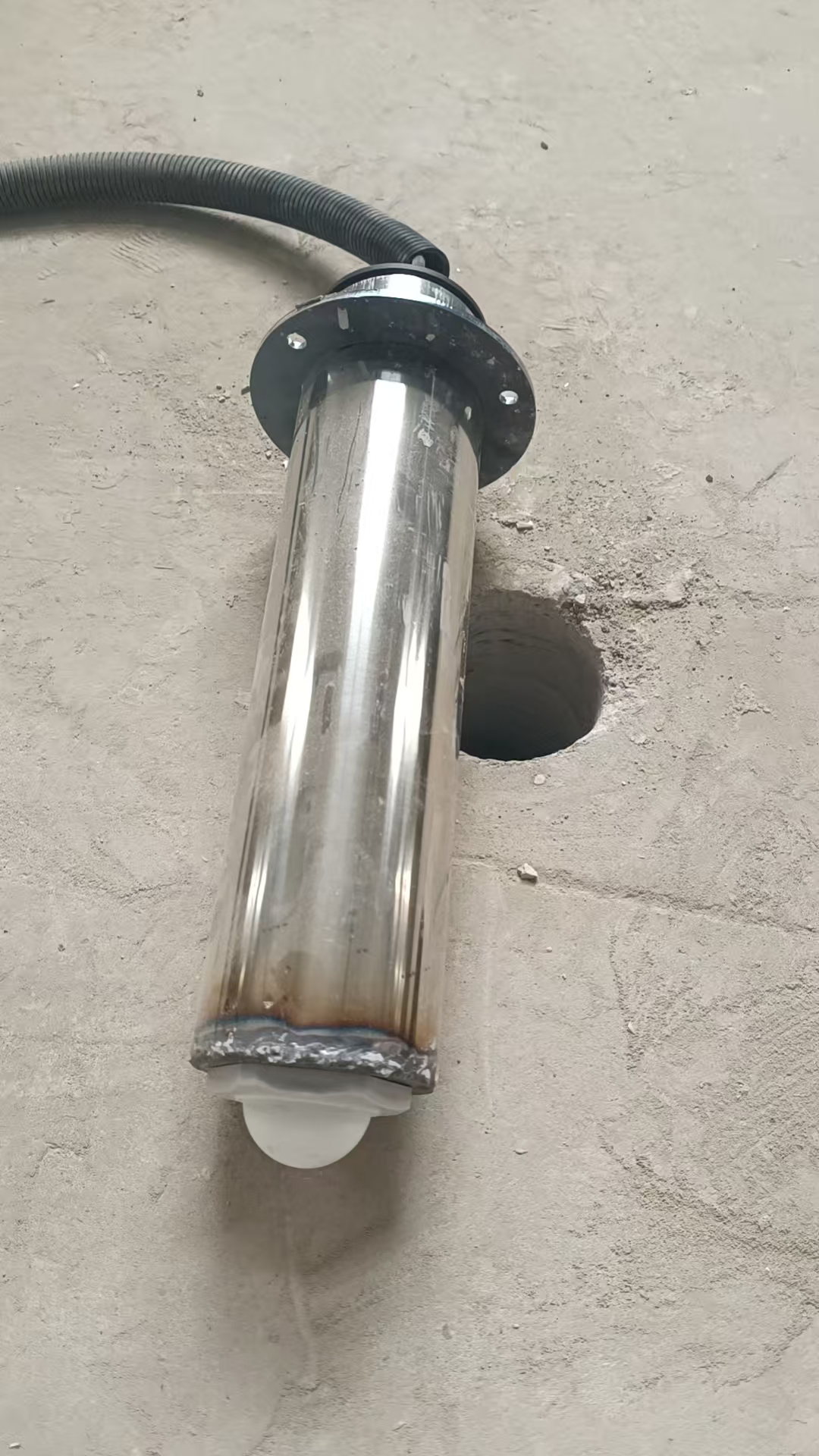
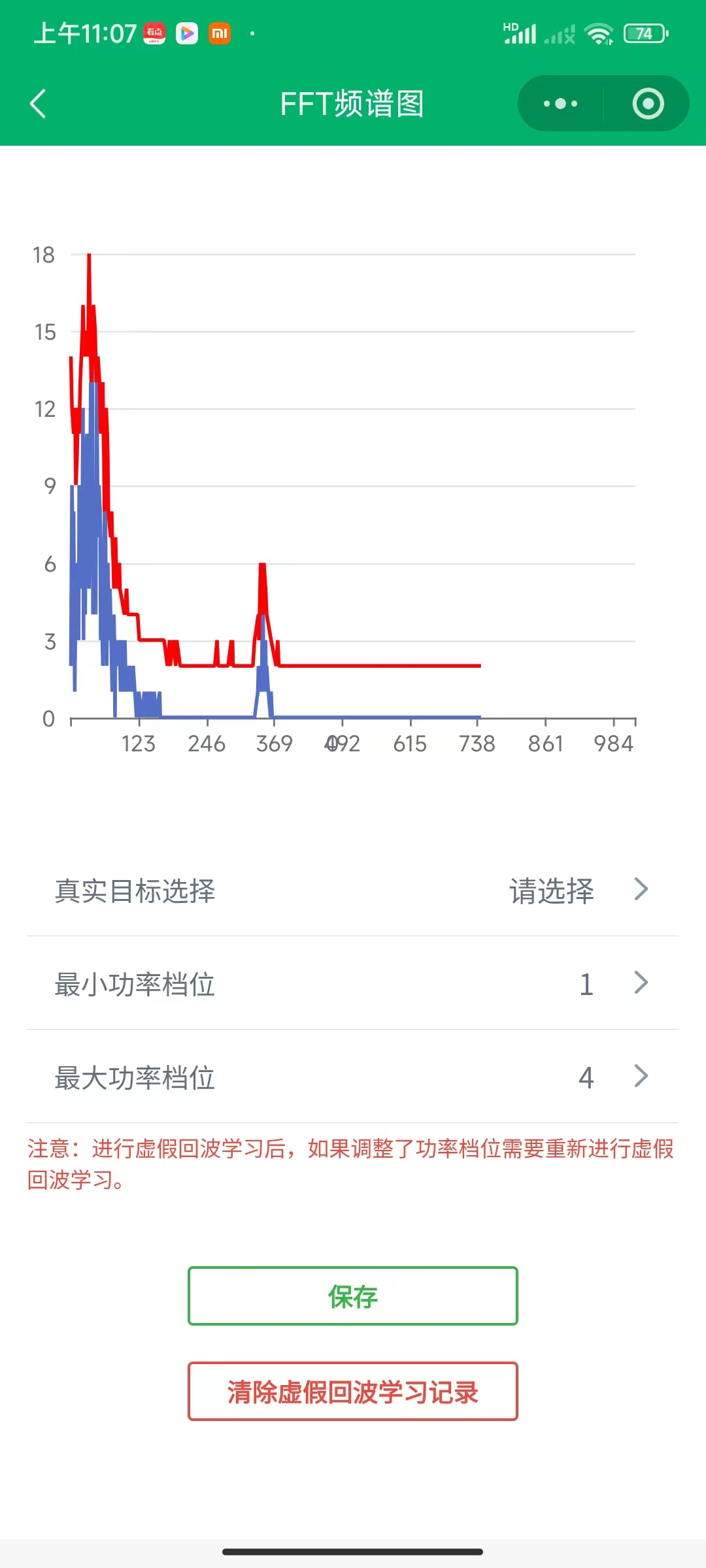
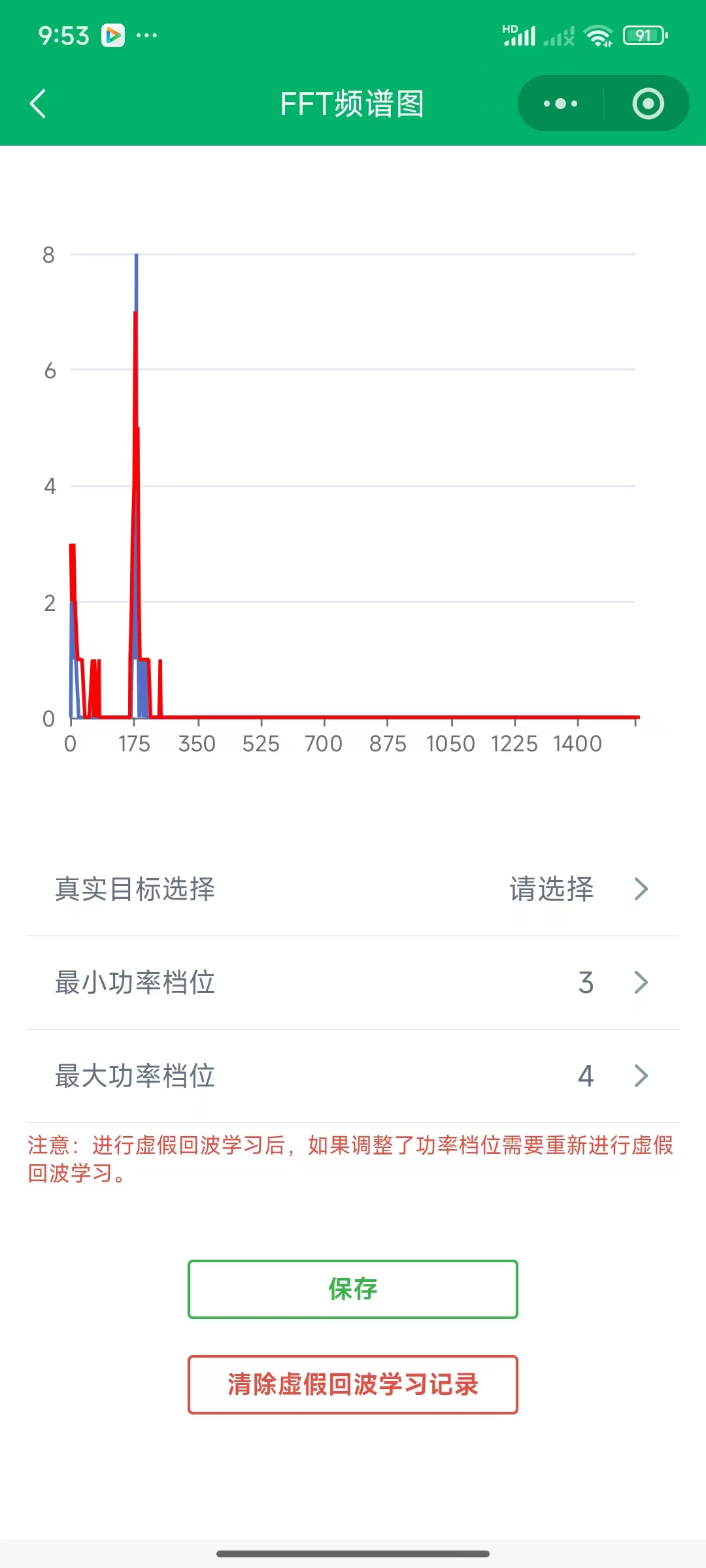
Note on the two spectra: the horizontal scale differs between the captures (0–984 before, 0–1500+ after), so peak positions cannot be compared directly. What changed is the number of peaks and their height relative to the noise floor.
The site packed RF-absorbing material into the stainless standpipe — cleaning rags, in this case — and the short-range clutter largely disappeared. Transmit power was then raised. After that the spectrum showed a correct waveform and the level reading was accurate.
Quoted from our field case log, 30 October 2026. The grain is wheat; the site is a grain depot. Probe and standpipe dimensions are as confirmed by the owner on site.
Editor’s note: the explanation of why a standpipe produces short-range echoes is our reading of the spectra, not part of the site report. The measurements, the actions taken and the outcome are as recorded.
In a soybean silo the reported level did not match the real fill height. The echo from the grain surface was arriving below the antenna threshold, so a weaker, nearer echo was being taken as the surface. Raising the antenna peak threshold from 100 to 150, switching the installation type to suspended and enlarging the blind zone to 0.3 m brought the reading back in line with the actual fill.
Full walk-through: 80 GHz radar on a grain silo, level tuning →
Quoted from the article linked above, published on this site.
1.5-inch continuous radar, the model used in the soybean silo case above. Narrow beam clears the wall and reads through filling dust.
For tall silos and deep bins, where the echo has to travel the full height to the floor. Same radar core, longer range.
Off-grid bins: solar power, cellular reporting, no cable run and no PLC. Commissioning notes in our 4G setup guide.
Yes. The 80 GHz beam passes through filling dust that blinds ultrasonic sensors—our comparison covers it.
A solar 4G radar reports level to a dashboard over the cellular network—see our monitoring systems.
Continuous on your main bins for inventory; cheap point switches on secondary bins for overfill safety. We supply the continuous radar only, not the point switch.
It can be. A metal standpipe reflects the pulse at short range, and those echoes can come back stronger than the grain surface well below. Our troubleshooting guide covers the fixes: remove or shorten the pipe, or fill the tube with RF-absorbing material.

Copyright @ 2026 JiaJia Eye

Scan to add WeChat